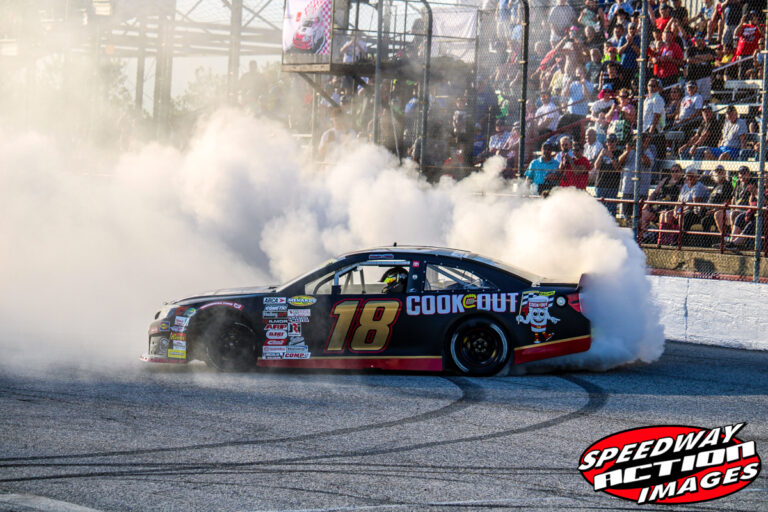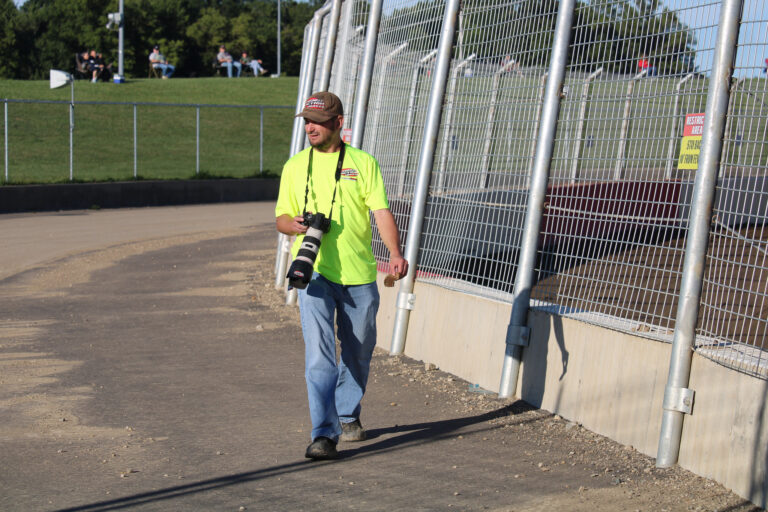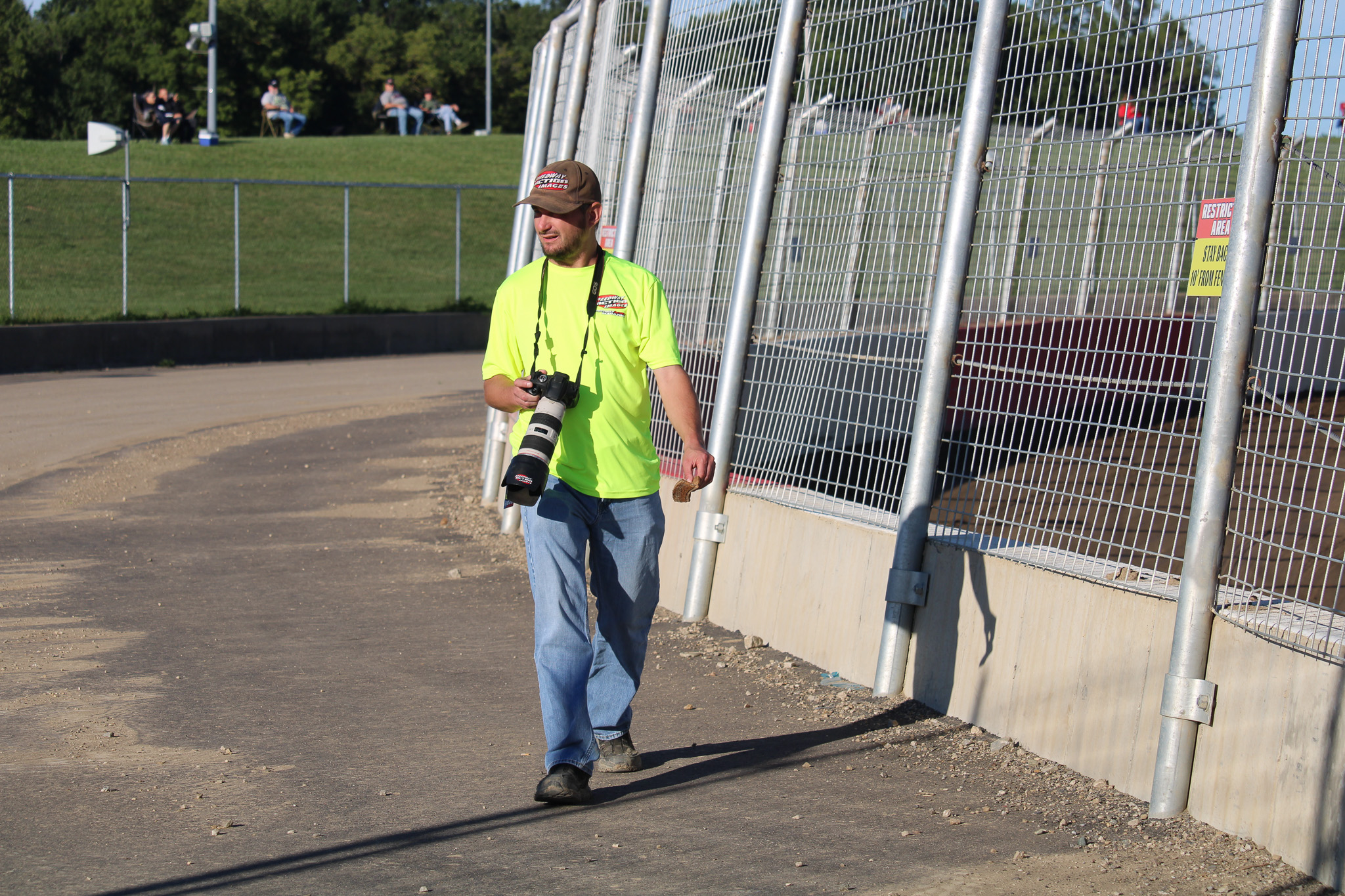

Short track racing is built on passion, sweat, and hard-earned local dollars. In a pit area driven by local pride, tight budgets, and deep community ties, the role of the motorsports journalist is frequently caught in the crossfire.
There is a growing expectation in the modern social media landscape that coverage should be purely celebratory, serving as a promotional arm for the local track or the drivers. But true motorsports journalism at the grassroots level has a different, far more vital mandate: it is about the truth, not about making everyone feel good.

Beyond the Track Politics
At its core, journalism in local racing is about documenting reality. Promoters and teams often prefer a narrative that keeps everything positive, smoothing over officiating controversies, low car counts, or poor track conditions. A journalist’s job is to look past the sugar-coated updates.
When a highly anticipated event suffers from a poorly prepped racing surface, or when a veteran driver’s unforced errors cost them a feature win, it is the duty of the press to report it accurately. This pursuit of the truth isn’t rooted in malice; it is rooted in respect for the sport and the Saturday night crowd. Fans spend their hard-earned money at the ticket booth, and they deserve an unfiltered look at what is actually happening on the track.
“The truth in racing is often found in the lap times and the track conditions. Neither of those care about feelings, and neither should the reporting.”
The Illusion of “Negativity”

One of the most common hurdles a short track racing journalist faces is the accusation of negativity. When the facts are harsh, the messenger often takes the blame.
- Calling out a track’s disorganized event pacing.
- Highlighting a driver’s recent string of questionable slide-jobs resulting in crashes.
- Questioning a local track’s inconsistent application of the rulebook.
None of these are inherently “negative” acts—they are simply realistic. Sometimes, the facts hurt. Whether it’s sugarcoating a driver’s string of poor finishes or turning a blind eye to a race track’s subpar surface preparation and disorganized event management, a journalist who softens the truth out of fear of upsetting a team, a promoter, or a fanbase is failing in their primary duty. Presenting reality as it stands—holding both the competitors on the track and the facilities hosting them accountable—is the only way to maintain credibility.
Telling the Stories of the Bullrings
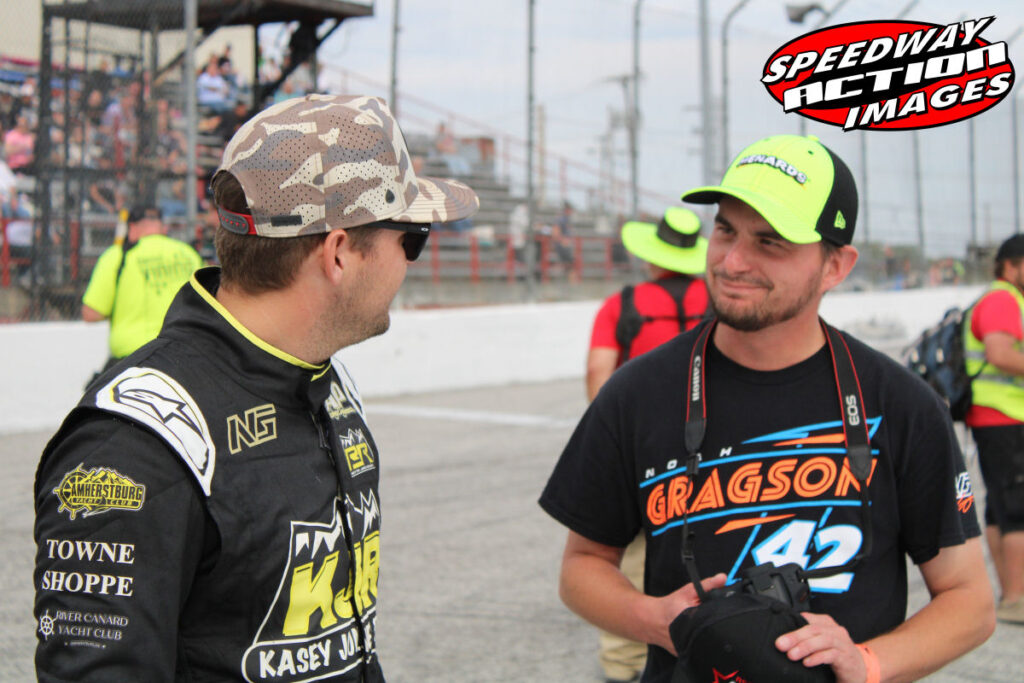
Covering various tracks and series—from winged sprint cars and supermodifieds to late models and stock cars—is ultimately about storytelling. But the best stories are built on a foundation of unshakeable facts and deep insights.
To tell the story of a race weekend properly, a journalist must synthesize everything happening around them:
- The Technical Insights: Why a specific track’s banking or clay composition is forcing extra track-prep.
- The Human Element: The mounting frustration of a family-run team struggling to find the handling on a shoestring budget.
- The Event Reality: The undeniable operational gaps that led to a four-hour show for a 30-lap feature.
By combining these elements, journalists provide context that elevates the viewing experience. They explain the why behind the what.
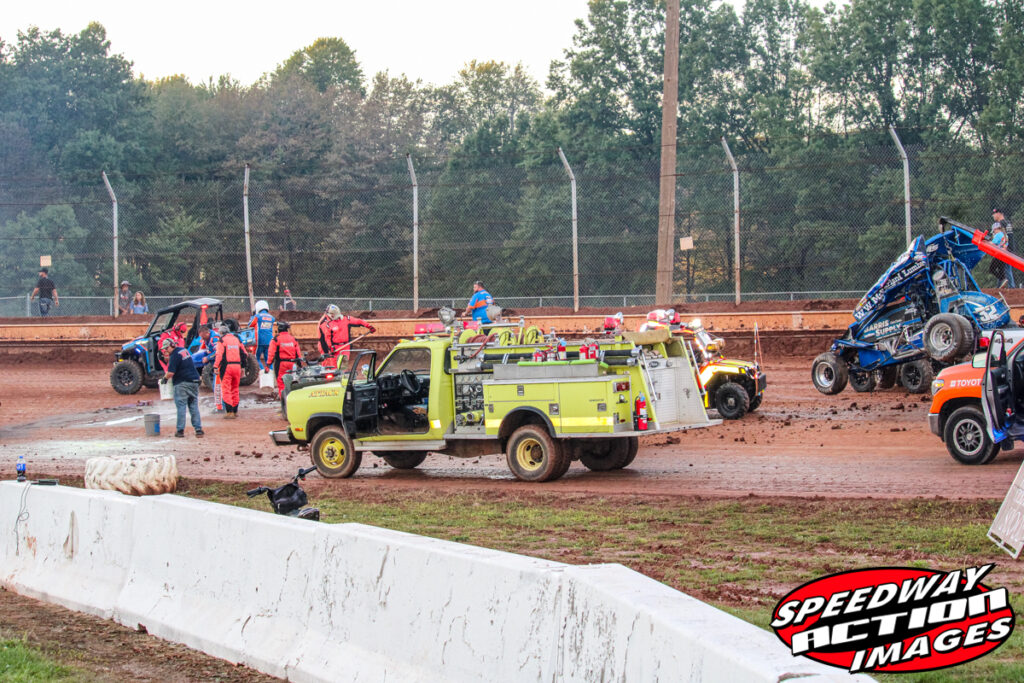
A journalist who only tells the comfortable stories will run out of stories to tell fairly quickly. At Speedway Action Magazine we work hard to tell the story in a positive light, highlighting the positives even in a bad situation. A story last year about a wild crash at a local track focused on the efforts of the track safety crew last year, we were able to dive into their rapid response and learn more about the men and women in the fire suits.
The Bottom Line
A motorsports journalist is not a cheerleader. They are the eyes and ears of the fans in a tight-knit community where everyone knows everyone. True respect for grassroots racing means taking it seriously enough to point out its flaws, highlight its failures, and analyze its controversies without flinching.
The truth at the local bullring can be harsh, unforgiving, and deeply uncomfortable. But in a sport where success is measured in tenths of a second and every dollar matters, settling for anything less than absolute realism simply isn’t an option.
About the Author

Discover more from Speedway Action Magazine
Subscribe to get the latest posts sent to your email.